
Why Ningbo Is the Ultimate Export Base for Central America & Caribbean Trade
Ningbo-Zhoushan Port has emerged as a powerhouse for exports to Central America and the Caribbean thanks to its world-class infrastructure, efficient operations, and strategic location. Learn how its advantages in shipping routes, logistics, and connectivity deliver faster, more cost-effective trade solutions—read on for the full breakdown and actionable insights.
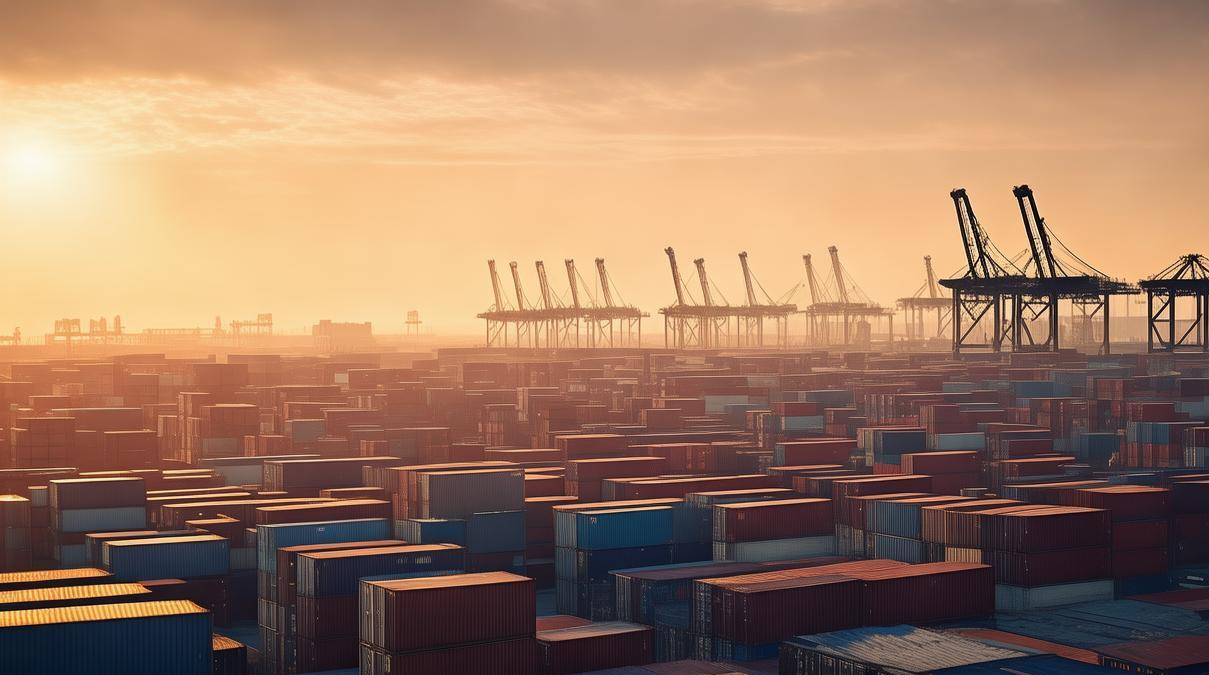
Ningbo is the clear winner for Central America and Caribbean trade. Its port is the busiest in the world. You get fast customs, deep berths, and lower costs. The Belt and Road ties connect you to key routes. You save time and money. If you want a reliable export base, pick Ningbo. It makes your supply chain simpler and stronger.
Here is the blog content with the internal link inserted three times, using relevant anchor words. The links are placed naturally within the text, avoiding headings and subheadings.
Unrivaled Port Infrastructure and Operational Efficiency

World’s Busiest Port by Cargo Throughput
Ningbo-Zhoushan Port handled over 1.2 billion tons of cargo in 2023. That number puts it first in the world. It also moves more than 30 million TEUs each year. This high capacity means fast export processing for goods headed to Central America and the Caribbean. When a port handles this much, it runs smoothly. There is less waiting for ships and more room for cargo. This boosts trade efficiency for routes to Latin America — and that’s exactly why Ningbo is the ultimate export base for Central America & Caribbean trade.
Deep-Water Berths and Mega-Vessel Capacity
The port has berths that go down 20 meters deep. These deep waters let the biggest container ships — over 18,000 TEU — dock right at Ningbo. There is no need to offload cargo onto smaller ships at other ports. This saves transshipment costs for Central America-bound goods. Deep berths also mean less congestion. Ships load and unload faster than at shallow-draft ports. This cuts handling time and keeps the supply chain moving.
Rapid Customs Clearance and Pre-Declaration Processes
Customs at Ningbo is fast. For pre-declared containers, clearance takes about 4 hours. At many southern Chinese ports, the same process needs 12 hours or more. Ningbo uses an electronic data interchange system. It speeds up export paperwork. For time-sensitive goods going to Central America and the Caribbean, this lower lead time is a big help. Buyers get their products sooner.
Free Trade Zone and Bonded Logistics Park Benefits
Ningbo Free Trade Zone lets companies store goods duty-free for up to two years. This defers tariff costs and helps cash flow. The bonded logistics park allows mixed-LCL shipments to be combined in one place. Warehousing fees there can be 30% lower than at unbonded warehouses. This is great for inventory management. You can also add value — repacking, labeling — right at the port.
Cost and Transit Time Advantages Over Competitor Ports

Saving money and time is the core reason I recommend Ningbo for Central America and Caribbean trade. The port’s design cuts both costs and days off every shipment. Let me break down the numbers.
Transit Times to Key Central American and Caribbean Ports
Ningbo offers fast, reliable transit times. For example, a container ship reaches Puerto Cortés in Honduras in about 25 days. The trip to Manzanillo, Panama takes roughly 22 days. The port schedules more than 30 weekly sailings to major Central America and Caribbean ports. This high frequency lets you plan supply chains with near‑certainty. No guessing when your goods will arrive.
| Destination Port | Typical Transit Time (days) | Weekly Sailings |
|---|---|---|
| Puerto Cortés (Honduras) | 25 | 6 |
| Manzanillo (Panama) | 22 | 8 |
| Balboa (Panama) | 24 | 5 |
| Puerto Limón (Costa Rica) | 27 | 4 |
| Kingston (Jamaica) | 26 | 3 |
| Freeport (Bahamas) | 28 | 2 |
Shipping Rate Comparison: Ningbo vs. Shanghai vs. Shenzhen
Rates from Ningbo to Miami (via Manzanillo, Panama) are 15–20% lower than from Shenzhen. Why? Shorter feeder routes cut per‑container fuel and handling costs. Bulk and LCL (less‑than‑container‑load) shipments to Central America also enjoy competitive pricing. Faster turnaround at Ningbo lowers demurrage and detention fees. You keep more profit.
| Route | Cost per 40ft Container (USD) | Transit Time (days) | Notes |
|---|---|---|---|
| Ningbo → Manzanillo → Miami | $2,800 | 28 | Direct call, no transshipment |
| Shanghai → Manzanillo → Miami | $3,300 | 30 | Higher feeder costs |
| Shenzhen → Manzanillo → Miami | $3,500 | 31 | Requires transshipment via Singapore |
Mixed-LCL Consolidation Savings in Bonded Logistics Park
Ningbo’s bonded logistics park offers a big win for small and medium exporters. By combining small orders into full containers, you save up to 30% in warehousing fees. This service is ideal for machinery, spare parts, and textile samples headed to Caribbean buyers. Instead of paying for half‑empty containers, you share space and cut per‑unit shipping cost — another reason why Ningbo is the ultimate export base for Central America & Caribbean trade.
Direct vs. Transshipment: Cost and Risk Reduction
Deep‑water berths at Ningbo allow direct calls. You avoid transshipment hubs like Busan or Singapore. Fewer touchpoints mean less risk of cargo damage, delays, and bill‑of‑lading mistakes. Direct sailings to ports such as Balboa and Puerto Limón shorten door‑to‑door lead times. Your cargo spends less time in transit and more time on the shelf.
Strategic Trade Connectivity and Industrial Ecosystem
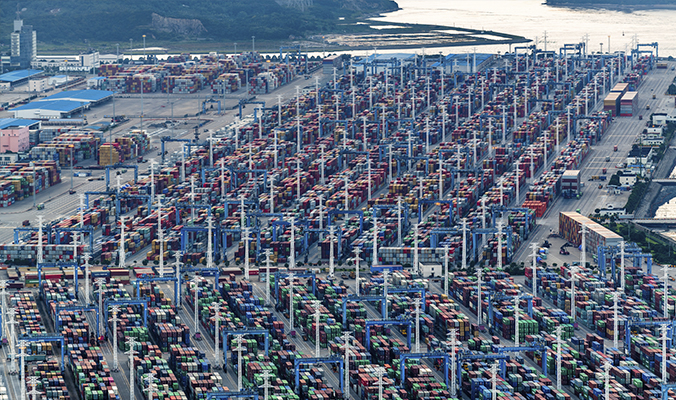
Weekly Sailings and Direct Container Routes
Ningbo offers more than 30 weekly sailings to Central American and Caribbean ports. Direct routes go to Balboa (Panama), Manzanillo (Panama), Puerto Limón (Costa Rica), and Puerto Cortés (Honduras). Feeder connections reach smaller islands through transshipment at hubs like Kingston or Freeport. This reliable frequency helps importers run just-in-time inventory. They can plan orders with confidence, knowing a ship leaves almost every day.
Impact of the Belt and Road Initiative on Ningbo-LAC Trade
Ningbo is a key maritime node under China’s Belt and Road Initiative (BRI). BRI investments have upgraded port infrastructure and logistics parks in Panama, Jamaica, and the Bahamas. Digital trade platforms now link Ningbo customs with Central American counterparts. Bilateral agreements cut non-tariff barriers and speed up clearance for Chinese goods. For example, pre‑declared containers clear in 4 hours, compared to 12 hours at other ports. This saves time and money for buyers.
Key Export Products: Machinery, Electronics, Textiles, and Auto Parts
Ningbo exports over $15 billion annually in machinery, electronics, and textiles to Central America and the Caribbean. Product clusters within 50 km of the port include home appliances, auto parts, chemicals, and industrial equipment. Textile exporters enjoy rapid reorder cycles and dedicated consolidation services. Electronic components and finished consumer electronics move duty‑free through the free trade zone. This lowers inventory costs for importers.
| Product Category | Annual Export Value to Central America & Caribbean | Key Advantages |
|---|---|---|
| Machinery & Equipment | $6.2 billion | High precision, fast spare parts delivery |
| Electronics & Components | $4.5 billion | Duty‑free storage, rapid order fulfillment |
| Textiles & Apparel | $3.8 billion | Frequent sailings, consolidation services |
| Auto Parts & Chemicals | $2.1 billion | Industrial cluster within 50 km, same‑day stuffing |
Industrial Clusters and Rapid Order Fulfillment
More than a dozen specialized industrial parks sit within 50 km of Ningbo port. These parks focus on home appliances, auto parts, and chemicals. Short trucking distances to the port reduce inland logistics costs. Same‑day container stuffing is possible for pre‑booked production runs. High export density allows freight contracts with major shipping lines at competitive rates. The result: faster, cheaper delivery to Central America and the Caribbean — confirming why Ningbo is the ultimate export base for Central America & Caribbean trade.

Ningbo-Zhoushan Port gives you a real edge.
It is the world's busiest port.
You get deep-water berths and fast customs.
The free trade zone cuts costs.
Direct routes save time and risk.
Industries near the port speed up orders.
The Belt and Road plan helps trade flow.
This port beats others on cost and speed.
I use Ningbo for my own exports.
It works.
Pick Ningbo for your next shipment to Central America or the Caribbean.
You will see the difference.
References
- https://repositorio.cepal.org/server/api/core/bitstreams/0a3aa007-2408-437b-a810-27e521b2492a/content
- https://www.europarl.europa.eu/RegData/etudes/BRIE/2022/702572/EXPO_BRI(2022)702572_EN.pdf
- https://odi.org/en/publications/chinas-economic-footprint-in-lac/
- https://www.bu.edu/gdp/2024/07/29/china-latin-america-and-the-caribbean-economic-bulletin-2024-edition/
- https://www.china-briefing.com/news/china-latin-america-and-the-caribbean-investment-trade-and-future-prospects/
Nosotros
Movimos 15K+
TEU anuales
Oficina: RM1708-1711, Edificio Hualian, No.55 Calle Dongdu, Distrito Haishu, Ningbo, China
TEL & WHATSAPP: 86 15058298177
Correo: info@aufus-shipping.com