
Why Ningbo Is the Ultimate Export Base for Central America & Caribbean Trade
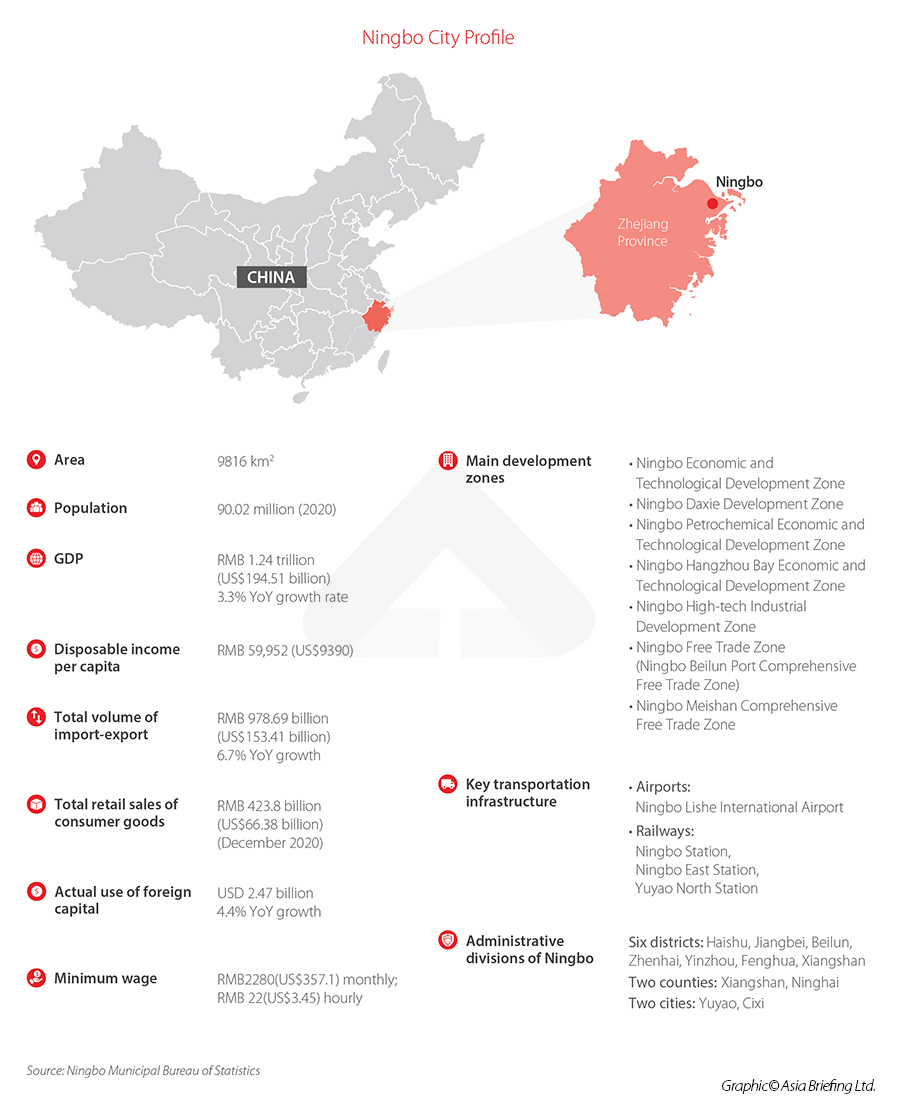
Ningbo has emerged as a powerhouse export base thanks to the massive Ningbo-Zhoushan Port, advanced infrastructure, and strong Belt and Road connections. This guide explains its strategic advantages for shipping goods efficiently to Central America and the Caribbean, helping businesses optimize trade routes and reduce costs. Read on for data-backed insights and practical recommendations.

Ningbo’s world-class port, direct routes, and fast customs make it the top base for Central America and Caribbean trade. The free trade zone and Belt and Road links cut costs. Electronics, machinery, and auto parts move quickly from here.
You now see why Ningbo beats other ports. It offers shorter transit times, lower costs, and better infrastructure. For reliable exports to these markets, Ningbo stands alone. Choose this port and gain a real edge.
FAQs about Why Ningbo Is A Strategic Export Base For Central America And Caribbean Trade

What makes Ningbo one of the world’s busiest ports for international trade?
What makes Ningbo one of the world’s busiest ports for international trade is its Ningbo-Zhoushan Port, which handled over 100 million TEUs in 2023, ranking third globally. This massive throughput capacity is supported by 150 shipping lines connecting 600+ ports, deep-water berths, and continuous infrastructure upgrades like new automated terminals and dredging. These features ensure ample vessel space, schedule reliability, and efficient cargo handling, making Ningbo a top choice for global exporters.
| Port Key Metrics | Ningbo‑Zhoushan | Global Ranking |
|---|---|---|
| TEUs handled (2023) | 100+ million | 3rd |
| Shipping lines | 150+ | – |
| Connected ports | 600+ | – |
How does Ningbo connect to trade routes serving Central America and the Caribbean?
How does Ningbo connect to trade routes serving Central America and the Caribbean is through direct weekly sailings to key transshipment hubs like Manzanillo (Panama) and Kingston (Jamaica), achieving 22–25 day transit times. Additionally, over 150 shipping lines provide feeder connections to smaller Caribbean islands and Central American ports. Ningbo also accounts for approximately 20% of China’s exports to the region, ensuring high sailing frequency and competitive freight rates for LAC-bound cargo.

Why is Ningbo preferred over other Chinese ports for exports to Latin America and the Caribbean?
Why is Ningbo preferred over other Chinese ports for exports to Latin America and the Caribbean is due to faster transit times—3–5 days shorter than Shanghai or Shenzhen—and lower total logistics costs from inland rail consolidation covering 50 Chinese cities. Ningbo also offers higher sailing frequency to LAC ports, specialized reefer and heavy-lift infrastructure, and free trade zone benefits that reduce tariff exposure. Its integration with Belt and Road digital customs systems further streamlines trade.
| Port Comparison (to LAC) | Ningbo | Shanghai | Shenzhen |
|---|---|---|---|
| Average transit time (days) | 22–25 | 25–30 | 26–30 |
| Sailing frequency to LAC | High | Medium | Medium |
| Inland rail coverage (Chinese cities) | 50 | 30+ | 20+ |
| Reefer/heavy‑lift infrastructure | Yes | Limited | Limited |
What role does the Belt and Road Initiative play in Ningbo’s trade with Central America and the Caribbean?
What role does the Belt and Road Initiative play in Ningbo’s trade with Central America and the Caribbean is that BRI investments have upgraded Ningbo’s rail-to-port corridors, digital trade platforms, and port cooperation agreements with LAC nations. These improvements enhance shipping reliability, reduce trade barriers, and enable paperless documentation and single-window customs clearance. As a key BRI node, Ningbo benefits from infrastructure projects that directly improve connectivity for exports to Central America and the Caribbean.
What types of goods are commonly exported from Ningbo to Central America and the Caribbean?
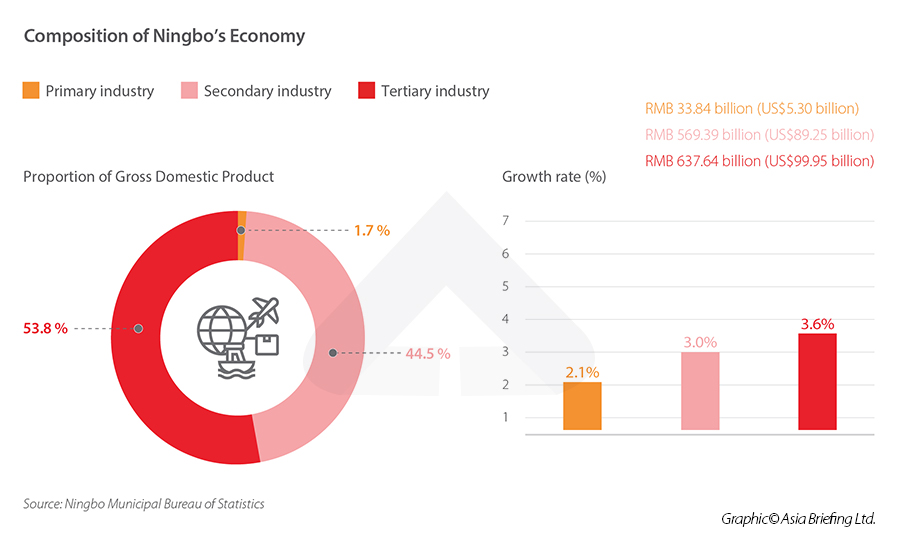
What types of goods are commonly exported from Ningbo to Central America and the Caribbean include electronics (30%), such as smartphones and components; machinery (25%), like industrial and construction equipment; textiles (15%), including garments and synthetic fabrics; auto parts (10%) for the region’s used-vehicle fleet; and refrigerated goods processed through Ningbo’s reefer facilities, such as South American beef and Chilean fruit re-exported to Caribbean islands. These categories match demand from regional distribution hubs like the Colon Free Zone.
| Top Exports to Central America & Caribbean | Share | Examples |
|---|---|---|
| Electronics | 30% | Smartphones, components |
| Machinery | 25% | Industrial & construction equipment |
| Textiles | 15% | Garments, synthetic fabrics |
| Auto parts | 10% | Parts for used‑vehicle fleet |
| Refrigerated goods | – | Beef, fruit (re‑exports) |
References
- https://www.cfr.org/backgrounders/china-influence-latin-america-argentina-brazil-venezuela-security-energy-bri
- https://repositorio.cepal.org/server/api/core/bitstreams/0a3aa007-2408-437b-a810-27e521b2492a/content
- https://www.china-briefing.com/news/china-latin-america-and-the-caribbean-investment-trade-and-future-prospects/
- https://odi.org/en/publications/chinas-economic-footprint-in-lac/
- https://www.bu.edu/gdp/2024/07/30/china-latin-america-and-the-caribbean-deepen-ties-as-chinese-firms-shift-to-direct-investment-and-infrastructure/
We
Moved 15K+
TEU yearly
Office: RM1708-1711, Hualian Building, No.55 Dongdu Road, Haishu District, Ningbo, China
TEL & WHATSAPP: 86 15058298177
Email: info@aufus-shipping.com