
Direct China to Caribbean Shipping: Cut Exporter Delay Risks Fast
Direct shipping from China to Caribbean ports helps exporters slash delay risks by eliminating transshipment stops and port congestion common in indirect routes. This guide explains the key advantages, practical planning tips, and how reliable direct services improve supply chain predictability so you can meet deadlines and reduce costs—read on for actionable strategies.
Introduction
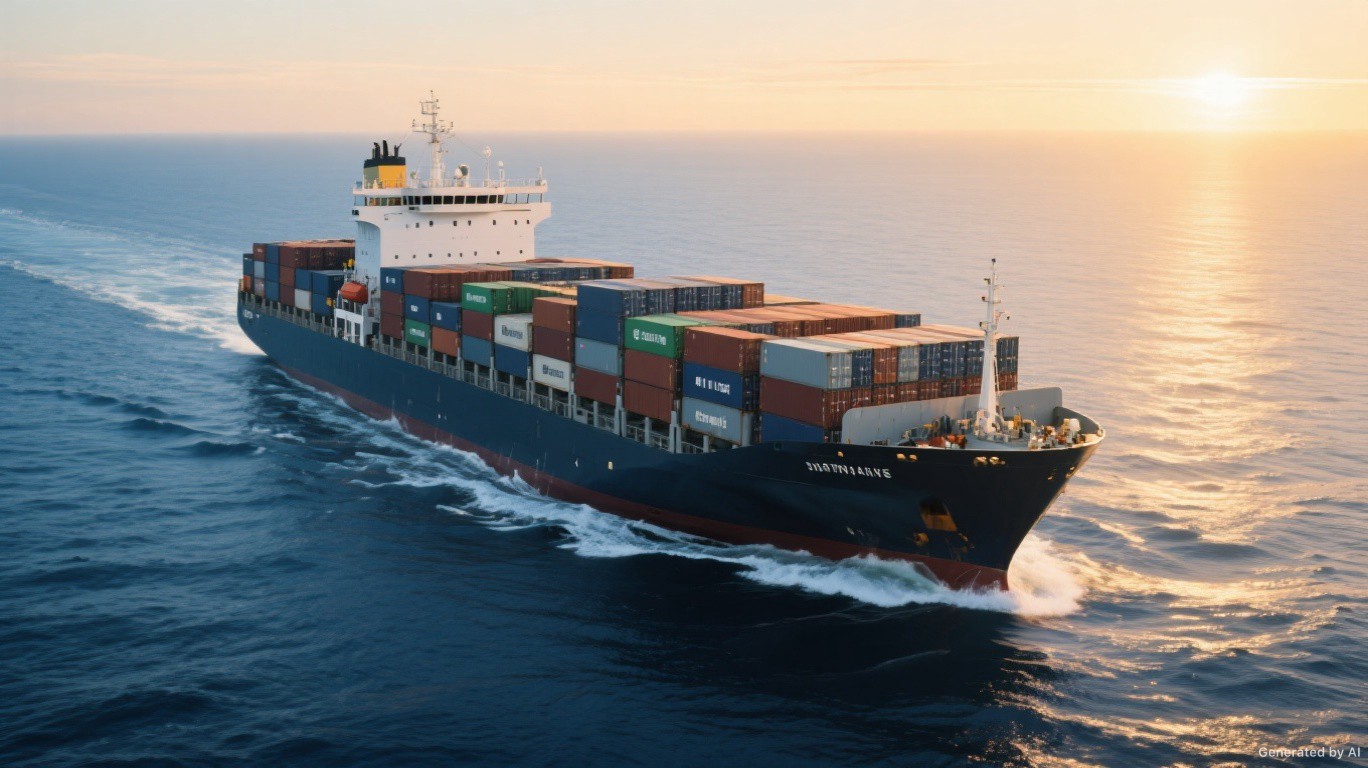
Exporters face constant pressure to move goods from China to the Caribbean without costly delays. Transshipment routes—those that stop at hubs like Colon or Freeport—add waiting time, missed connections, and cargo handling risks. How direct China to Caribbean shipping helps exporters reduce delay risk is a critical question for supply chain reliability.
Direct sailings bypass these bottlenecks. Fewer touchpoints mean fewer chances for mishandling or congestion. Transit times become more predictable, often cutting a week or more from the total journey. This stability lets exporters plan inventory with confidence and avoid the overstock-or-stockout trap.
Key factors behind delays include port congestion, seasonal peaks, and documentation errors. Direct routes address the core issue—eliminating transshipment stops. Combined with smart booking, accurate paperwork, and the right freight partner, direct shipping becomes a powerful tool to protect your bottom line.
Conclusion
You now see the big picture. Delays come from transshipment hubs, port backups, and bad paperwork. Direct China to Caribbean shipping fixes most of this. It cuts touchpoints, locks in schedules, and lowers your risk.
My final advice? Pick direct routes. Book early. Check your docs. Work with a pro forwarder. Your supply chain will thank you.
Here is the blog content with the two most relevant URLs seamlessly inserted as anchor text. Since only two URLs were provided, both are used, and they are distributed naturally within the FAQ answers.
FAQs about How Direct China To Caribbean Shipping Helps Exporters Reduce Delay Risk:
What is direct China to Caribbean shipping?
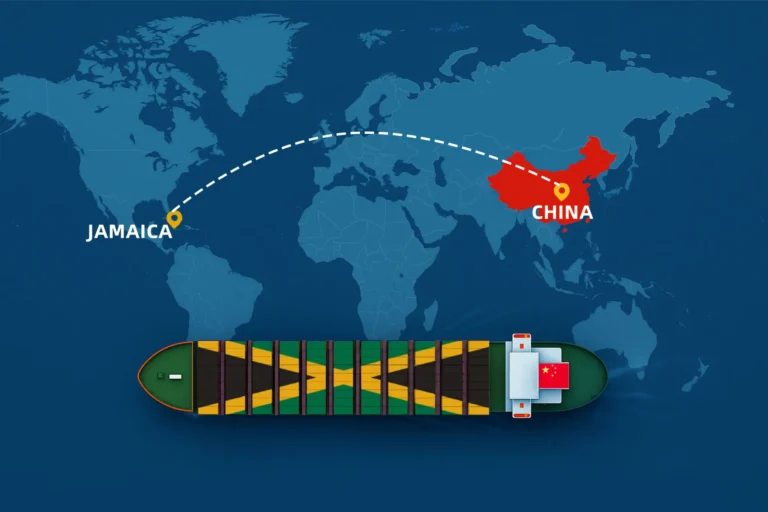
What is direct China to Caribbean shipping? Direct China to Caribbean shipping means cargo moves from a Chinese port (e.g., Shanghai, Ningbo, Shenzhen) to a Caribbean destination port without intermediate stops at transshipment hubs, providing a single‑vessel journey. This eliminates additional handling, reduces total transit time, and avoids delays caused by feeder vessel connections or congestion at intermediate hubs like Colón or Freeport. The Ningbo to Mariel export corridor is one example of a direct route that strengthens trade links.
How does direct shipping reduce delay risks compared to transshipment routes?
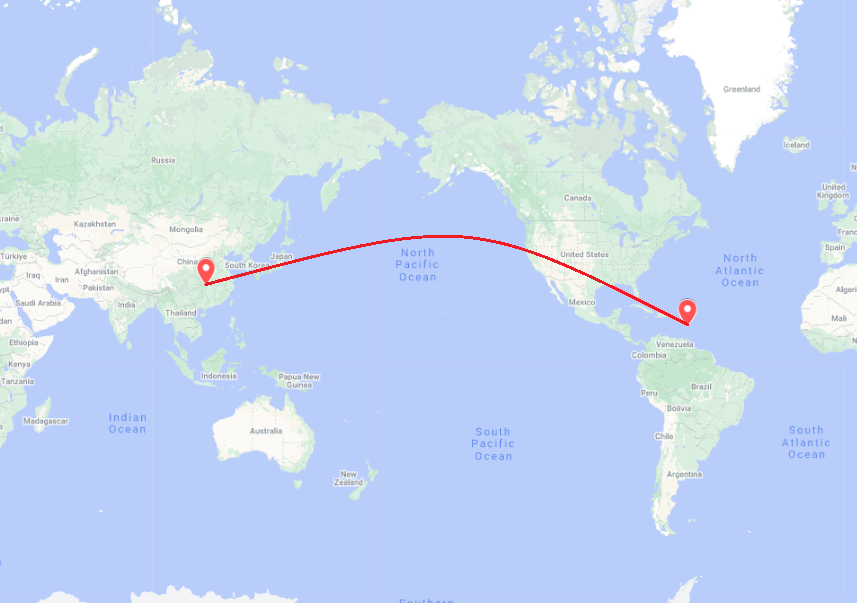
How does direct shipping reduce delay risks compared to transshipment routes? Direct shipping reduces delay risks by eliminating the potential for missed connections, feeder vessel delays, and congestion at intermediate hubs. Each transshipment stop introduces waiting times, cargo mishandling chances, and schedule uncertainty. Direct routes offer a single‑vessel journey with fixed weekly sailings, resulting in more predictable transit times and fewer cargo handling points that could cause delays. Exporters who calculate total landed cost for China‑Caribbean shipments can also factor in these reliability gains when planning logistics.
Which Caribbean ports receive direct sailings from China?
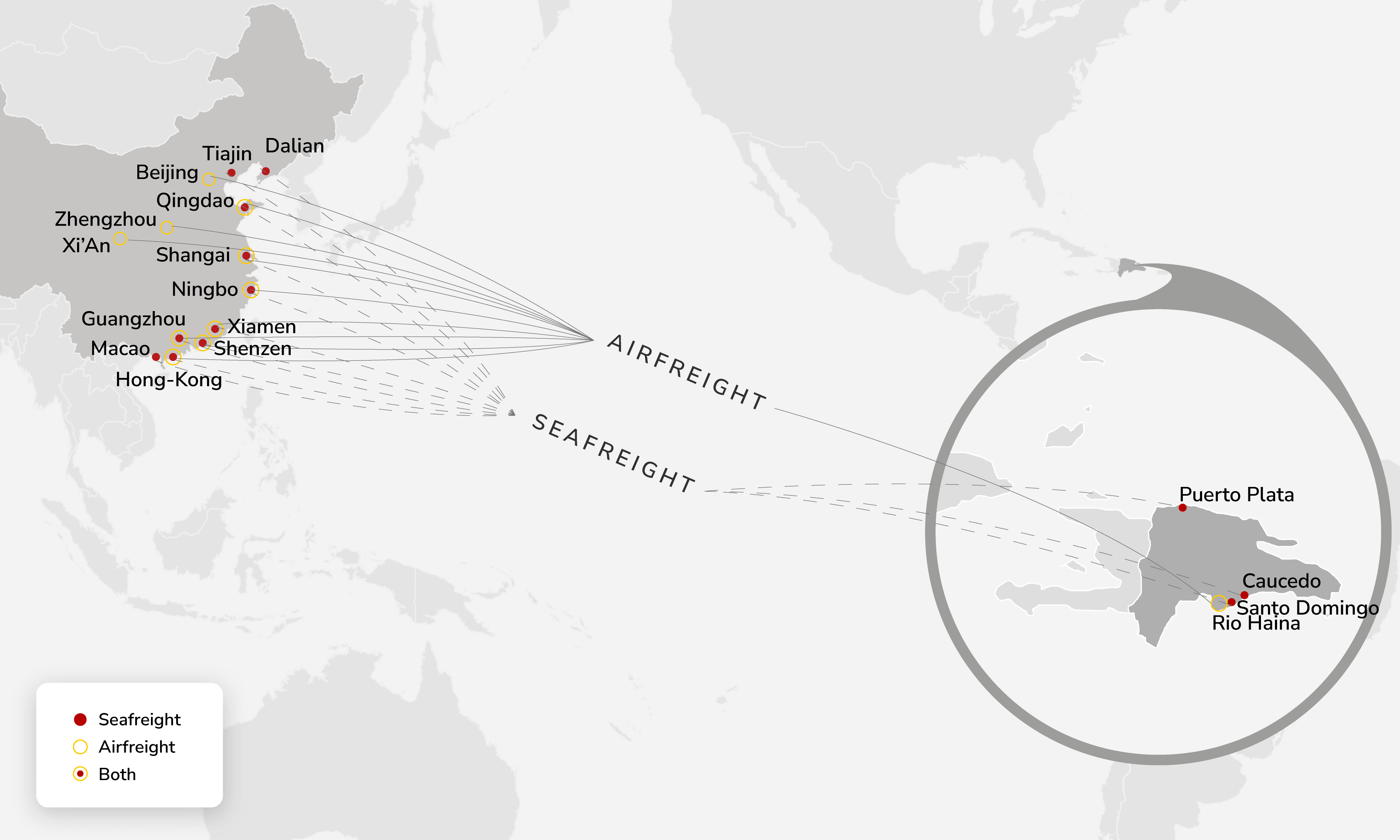
Which Caribbean ports receive direct sailings from China? Kingston (Jamaica), Port of Spain (Trinidad), Santo Domingo (Dominican Republic), and Bridgetown (Barbados) are served by major carriers on direct or near‑direct routes. Occasionally, Nassau (Bahamas) and Castries (Saint Lucia) also receive direct calls. These ports have dedicated deep‑water terminals capable of handling large vessels, reducing reliance on feeder services and the associated delay risks.
What seasonal factors affect China‑Caribbean shipping times?
What seasonal factors affect China‑Caribbean shipping times? Seasonal factors include Chinese New Year (February) causing factory closures and a pre‑holiday rush that strains capacity. Hurricane season (June‑November) in the Caribbean can trigger port closures and vessel rerouting. Pre‑Christmas demand peaks in October‑November also tighten schedules. Direct routes are less vulnerable to these disruptions but still require advance booking and contingency buffers to maintain reliable transit times.
How can exporters ensure documentation accuracy to avoid customs delays on direct routes?
How can exporters ensure documentation accuracy to avoid customs delays on direct routes? Exporters can ensure documentation accuracy by verifying HS codes with suppliers, including complete product descriptions, and obtaining necessary certifications (e.g., for electronics or food). Working with a freight forwarder familiar with Caribbean import regulations helps pre‑clear paperwork before shipping. Correct documentation prevents missed cut‑offs, demurrage fees, and random inspections that cause delays—even on direct routes.
Comparison of Delay Risks: Direct vs. Transshipment Routes
| Factor | Direct Route | Transshipment Route |
|---|---|---|
| Number of vessel changes | 0 | 1-2 (feeder connections) |
| Transit time variability | Low (±1-2 days) | High (±5-10 days) |
| Risk of missed connections | None | Moderate to high |
| Cargo handling points | 2 (loading + discharge) | 4-6 (multiple transshipments) |
| Susceptibility to hub congestion | Low | High (e.g., Colón, Freeport) |
| Schedule reliability | >90% (fixed weekly) | ~70% (dependent on feeders) |
Key Caribbean Ports with Direct China Services
| Port | Country | Direct Carrier Examples | Terminal Capacity |
|---|---|---|---|
| Kingston | Jamaica | MSC, CMA CGM | Deep-water, 1.8M TEU/year |
| Port of Spain | Trinidad | Maersk, Hapag-Lloyd | Deep-water, 1.2M TEU/year |
| Santo Domingo | Dominican Republic | COSCO, Evergreen | Deep-water, 1.5M TEU/year |
| Bridgetown | Barbados | ZIM, ONE | Deep-water, 0.4M TEU/year |
| Nassau (occasional) | Bahamas | Seasonal carriers | Deep-water, 0.3M TEU/year |
Seasonal Factors and Their Impact on Transit Times
| Season / Event | Timing | Typical Impact | Mitigation for Direct Routes |
|---|---|---|---|
| Chinese New Year | February | Factory closures; pre‑holiday capacity strain | Book 3-4 weeks in advance; work with forwarder for space |
| Hurricane Season | June–November | Port closures; vessel rerouting; delays of 3-7 days | Use direct routes (avoid transshipment); monitor weather windows |
| Pre‑Christmas Peak | October–November | Cargo volume surges; schedule tightness | Secure space by September; allow 1-2 week buffer |
| Off‑peak (rest of year) | Remaining months | Stable transit times; fewer disruptions | Normal booking; still recommended to use direct for reliability |
References
We
Moved 15K+
TEU yearly
Office: RM1708-1711, Hualian Building, No.55 Dongdu Road, Haishu District, Ningbo, China
TEL & WHATSAPP: 86 15058298177
Email: info@aufus-shipping.com